Painting as the trace of an unfinished doubt.
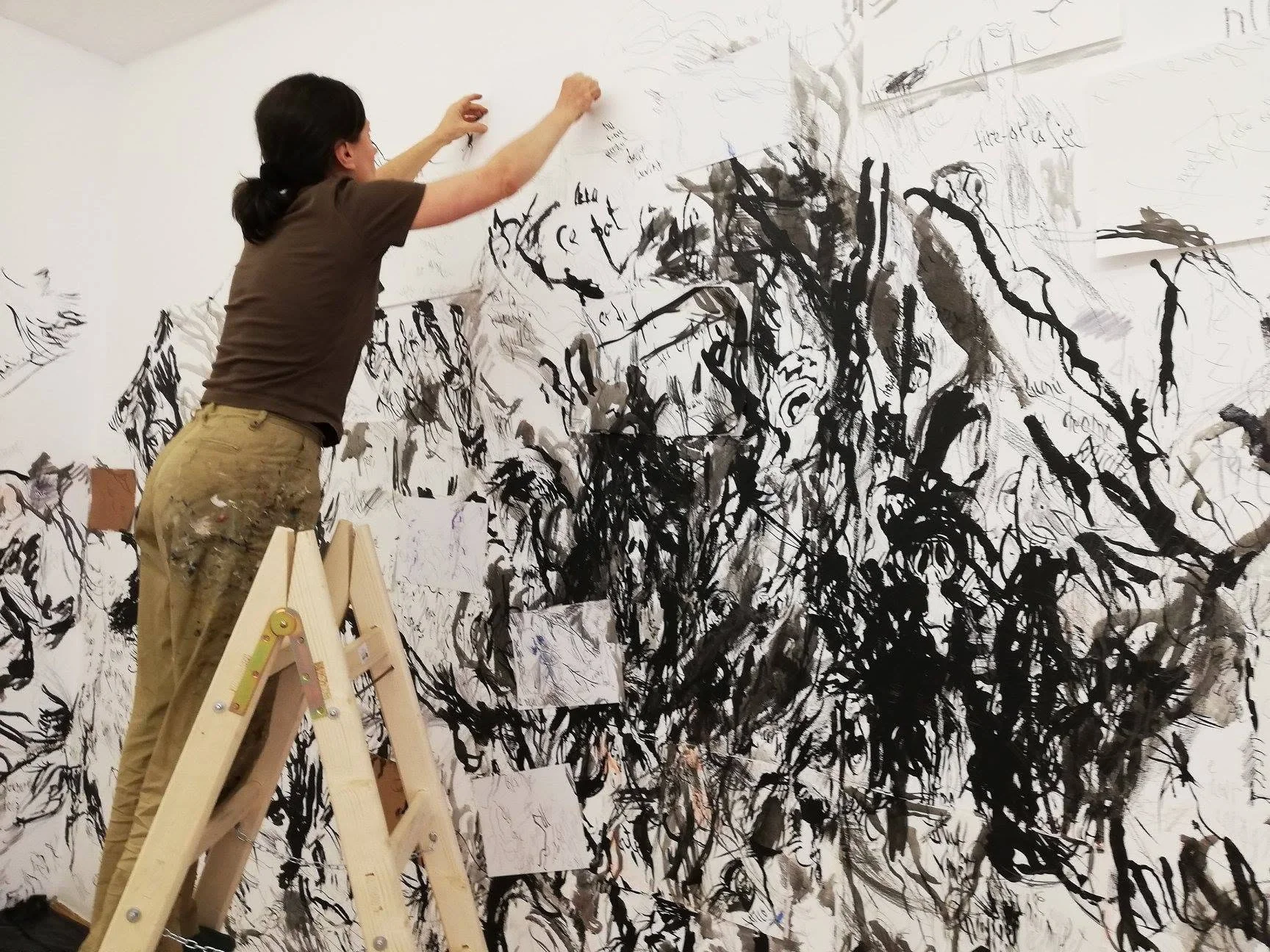
One might think that artists are decisive people, possessed by quick and correct decisions. Around the year of grace 2002, when I was setting out on the gallery venture, I thought so too. I was fascinated by the way artists, unlike logocentric intellectuals, reach a solution without passing in orderly fashion through well-structured syllogisms. There was something almost mystical about it: when I asked them, nearly all of them blamed inspiration, the muse, a trip, a dream. And yet this kind of abrupt decision is by no means the product of a character free of doubt, possessed by a voice that cannot be ignored. After a while I realised that rather the opposite is true: artists are the most indecisive people, and everything we see as the products of their creative effort is the trace left behind by the long string of doubts and hesitations that accompany studio life. The artist is struck from all sides by all kinds of forces, and what we call success is only the temporary way in which he navigates these infernal seas.
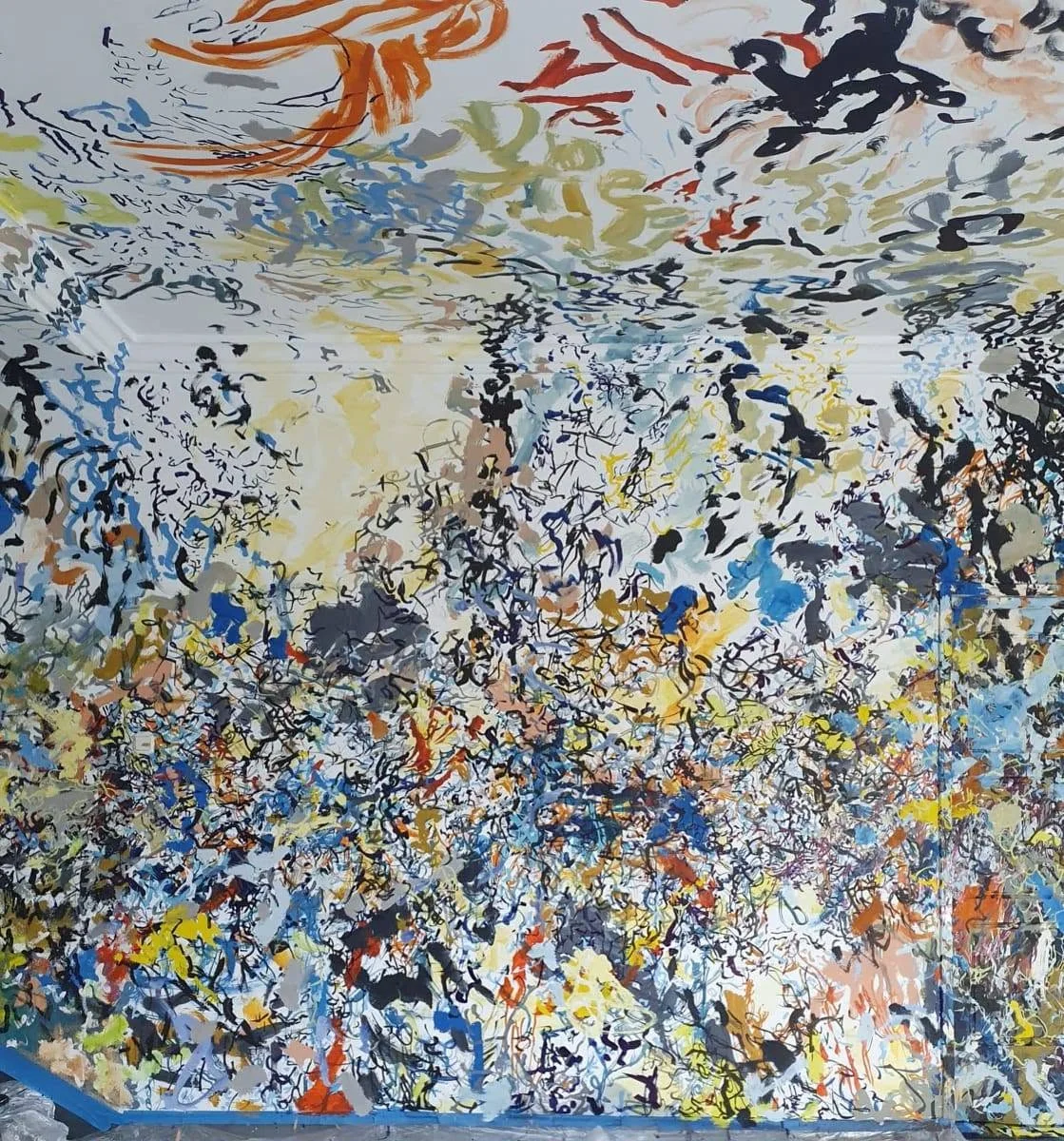
With Anca Mureșan, indecision is the main fork. She paints, yet she detests aestheticism; she is annoyed every time she is told that a work is beautiful; she starts from images, yet cannot bring herself to leave them painted and destroys them through obsessive additions of colour over years and years. In her painting there is no breathing space, drawing is cancelled out; she would like to paint everything, though she would rather call this horror of the void nothing. Everything is a dream and what we see is only the froth of the days. (Dan Popescu)
In Dan Popescu’s reading, Anca Mureșan returns to images through repeated additions of colour, until drawing is obscured and the certainty of form begins to disappear.
“Cabinet. Fără titlu.” follows the tension between the desire to paint and a refusal of comfortable beauty. The visible surface carries the studio’s time, hesitation and persistence.