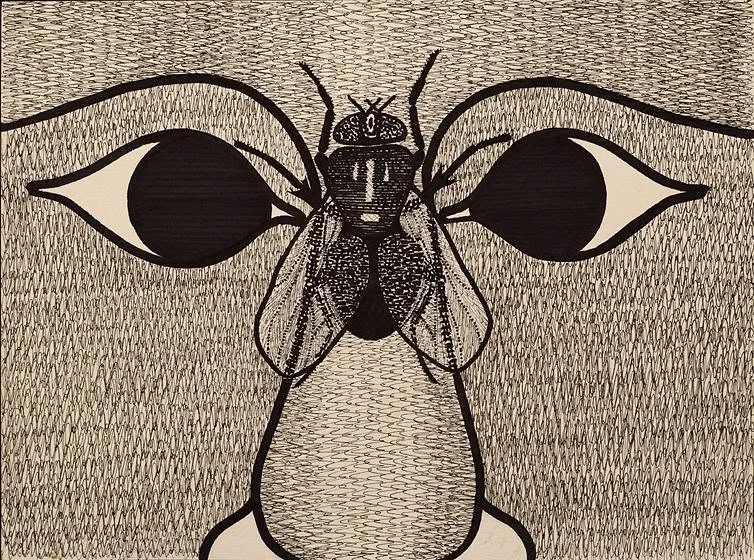
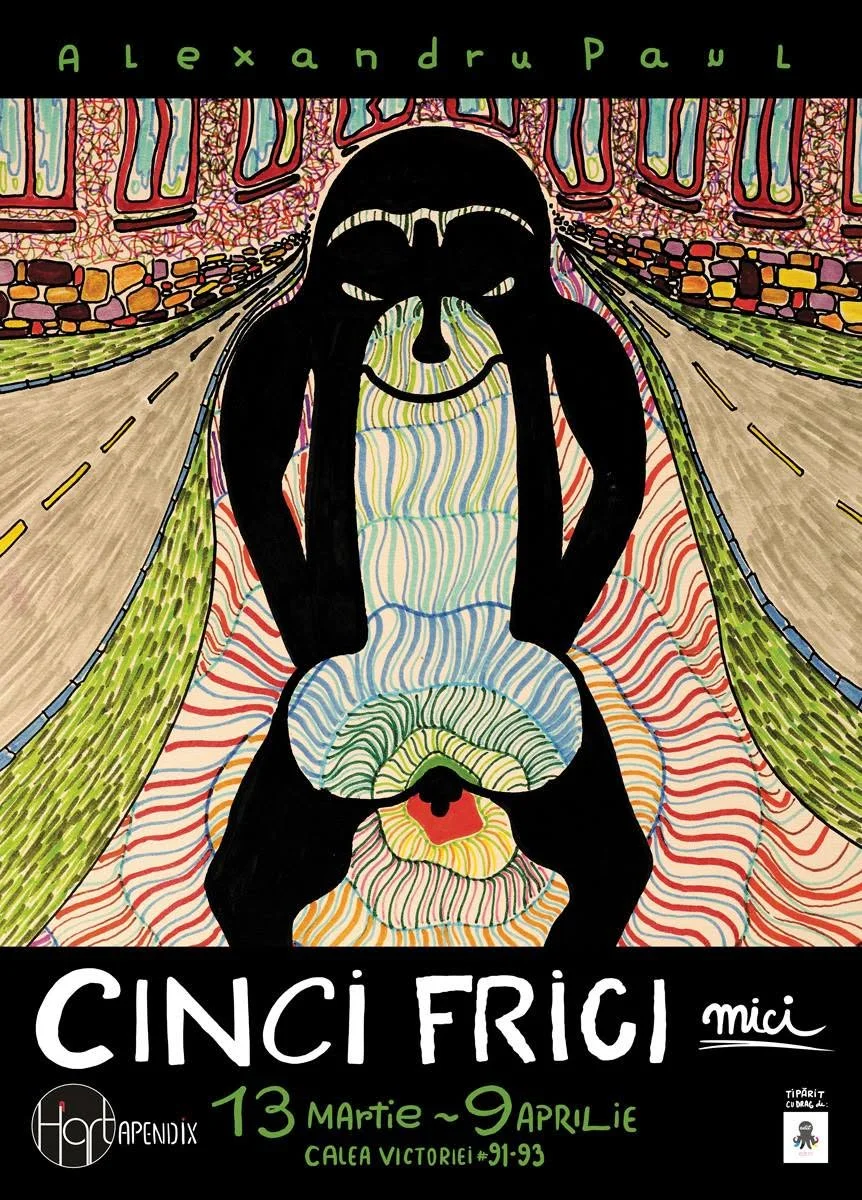
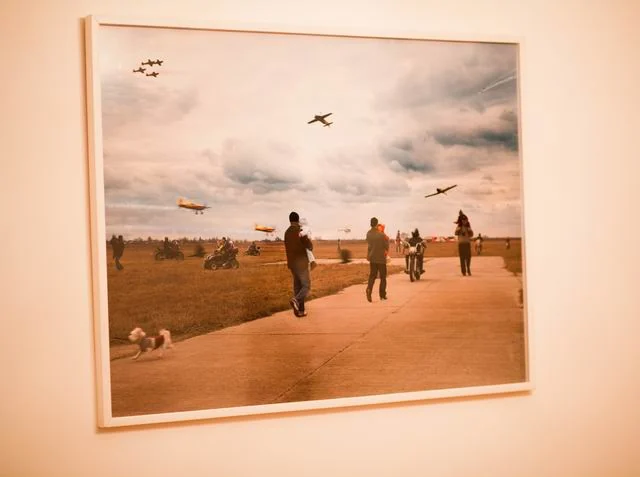
Beauty and death, observed within the same frame.
Event supported by Policolor.
“A few years ago I used to go to the Floreasca swimming pool. After swimming for an hour, on my way out, I would rest for a few minutes on the shore of the lake.
At one point the lake was poisoned and dead fish floated, gently rocking, on the surface of the water. I looked closely at one of them and was amazed at how something so beautiful dies, at how people do not care about this beauty and are always in a hurry to do something more, killing whatever crosses their path. But at the same time I was amazed at the ease with which nature creates and destroys, without blinking, things of a beauty and complexity that our minds cannot grasp.
After a while the lake was drained and a bulldozer kept digging into the bank for a whole summer and autumn. Where the lake had been, a thin thread of water remained and thick reeds grew. All kinds of birds I had never seen before came and nested in the reeds. I bought myself a pair of binoculars. I was happy.
Then the bulldozer left, leaving behind a concrete wall. The lake was flooded again, and the nests floated, gently rocking, on the surface of the water.
On the street where I live, a rat was killed. I watched how, with the passing of time, and of cars, it sank into the asphalt until it became a kind of imprint which was, however, still itself: it had texture, expression. The change seemed to be a continuation of life. Not of its life, but of the life that passes through all of us.
In a strange way, these observations linked human violence, death and beauty in my mind.
I got into the habit of driving slowly and photographing animals killed by cars on the road. But as the photographs piled up, my interest in the subject waned. The inner state brought on by contemplating Lake Floreasca was fading.
Instead, being around the age of 40, I began to fear death. The fear grew until it flooded my mind, overwhelmed me. Reason was losing its power and panic was taking hold of me. Troubles followed too.
Gradually, after a while, this interest, provoked by the fear of death, also faded away.
Now I find myself having to make a work/exhibition on a subject that no longer interests me.
According to our customs of competence, losing interest in an undertaking is a sign of negligence, of ignorance. But in this case, I think that if the result of an interest in death is the loss of interest in it, then the aim has been achieved.”
Text: Alexandru Paul