Painting as a dilution of days, reality and memory.
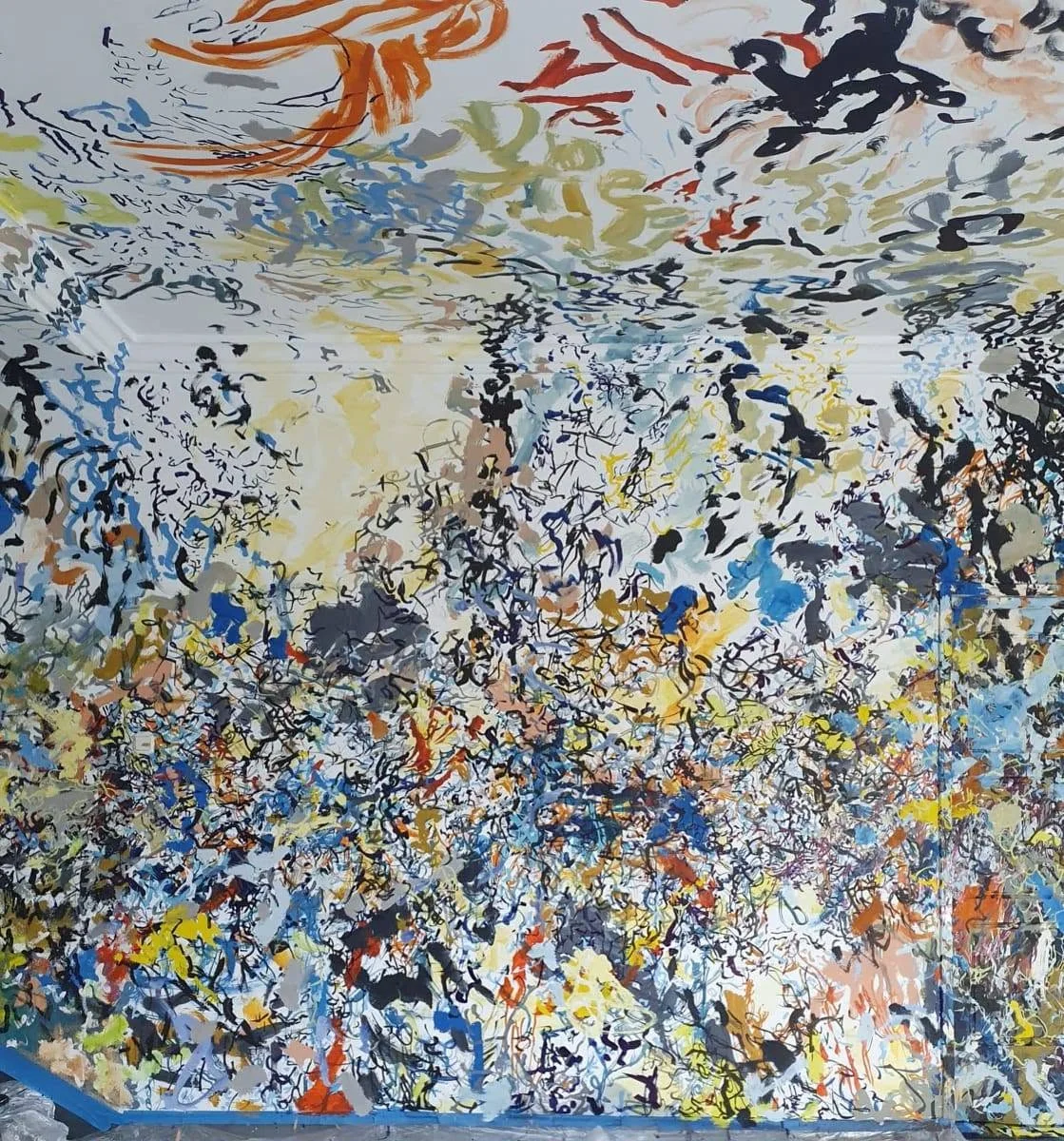
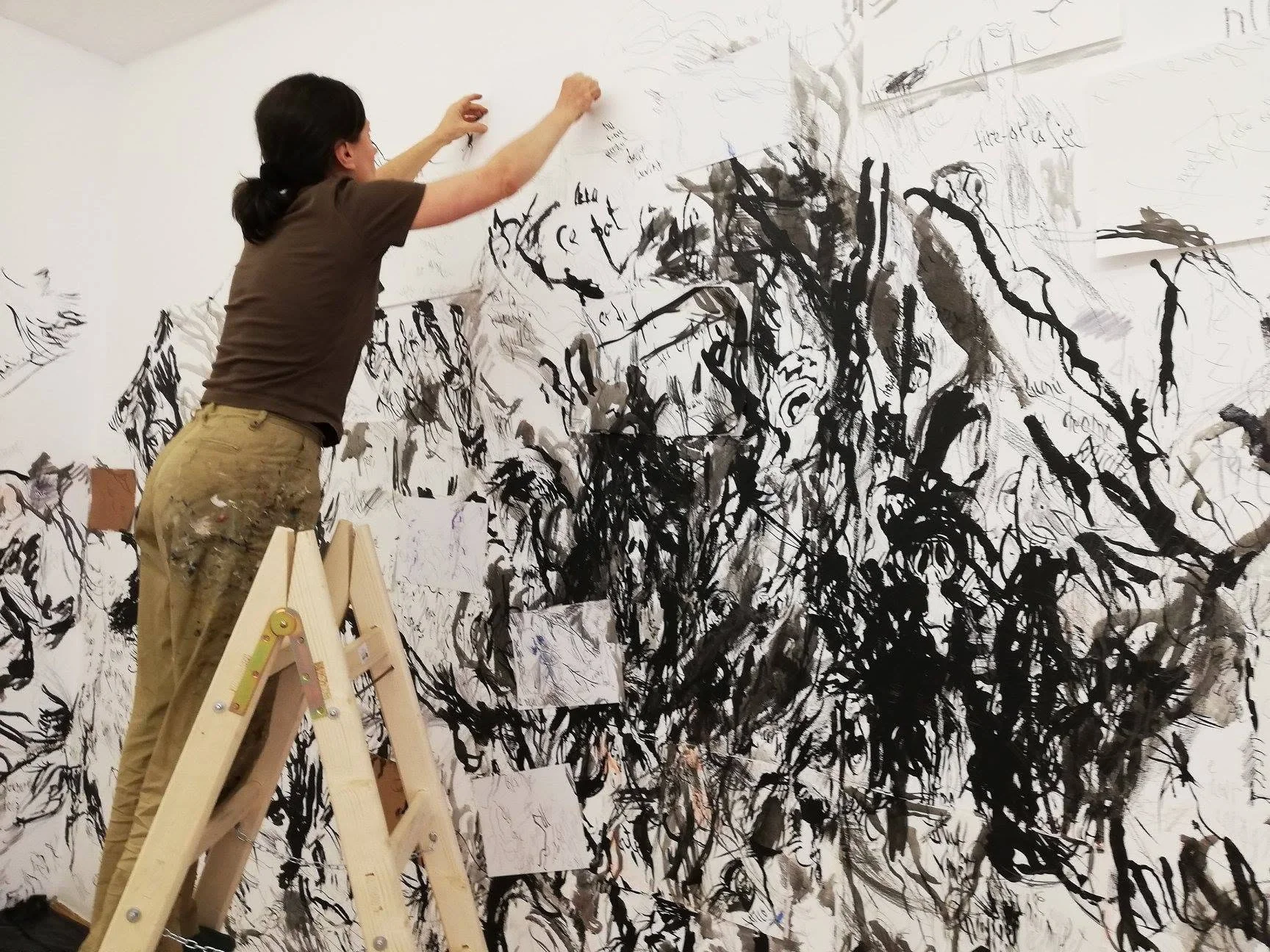
A painter’s occupation is either demiurgic or the mere gesticulation of a mountebank. Imagine: you stand before a white rectangle and, out of coloured matter, you have to turn that absence into a visible presence that communicates something. It is a gesture of absolute vanity; in a way this is the artist’s sin, and paranoia is part of the job description. It is a Luciferian sin, punished in every culture. The ancient Greeks called it hybris, in a Christian context it is pride, and Buddhism holds that any attachment to reality takes you further away from a possible enlightenment. In short, the painter is on the wrong path from the very start. How can you escape this circle of fire? Well, the only answer I can intuit is this: you escape either through madness or through intelligence. The first way is that of the famous artist and his ear. Painting becomes therapy, a despair that balances you for a while and then consumes your soul, your heart, your organs, your brain and, in the end, your life. There is, however, also the option of the very intelligent painter who, through successive combinations of experiments and strategies for approaching the fight, manages to depict the painter’s entire combat with the void. There is less drama, but more clarity of approach. The intelligent painter shows us the chart of the artist’s struggle with the world. It is a kind of partial involvement: the artist winks at the audience, he is more a presenter than someone who lives through the process. Anca Mureșan is a hybrid case. Hers is a painting obsessed with centrality, an unleashed horror vacui. It is an attempt at structuring through chromatic accumulation, every square centimetre of canvas brimming with information. This kind of obsessive painting tries to cancel the white rectangle; it is a Proteus that becomes bone and flesh through assiduity and psychic expenditure.
Well, the works in this exhibition proceed the other way round. It is a logical approach that dilutes the structure of the image. It is a dilution of days, of reality and memory. Anca’s works become ghosts of a lost reality, madeleines circumscribing a void. It is a gradual return to the original white rectangle. It is a release of the necessity of form, a dilution both assumed and reconciled.
Dan Popescu
For the White Night of Galleries on 24 May 2013 (NAG 7), Anca Mureșan’s paintings were shown in the Mița Biciclista House, at the corner of Biserica Amzei and Christian Tell streets.
Dan Popescu’s text starts from the vanity of the painterly gesture and sees Anca Mureșan as a hybrid case, a painting obsessed with centrality and horror vacui. The works on show, however, move the other way: they dilute the structure of the image until it becomes the ghost of a lost reality, in a gradual return to the white rectangle.