The media’s images are recast.
In the Balkans, having no sense of humour is a tragedy. This aphorism, at one point also turned into a political joke, hides a key to understanding a cultural paradigm that is very sharply defined in the Carpathian-Pontic space. Here we get every species of humour, from irony to mockery, from absurd humour to reductio ad absurdum. The grotesque, laughing in the face of misfortune, derision, irony or black humour, surreal-absurd fantasy, the jest, the joke, banter, dry humour or sarcasm: I do not think there is any guise of the humorous spirit that is absent from these lands. The whole procession of explanatory factors ought to be studied; what I could suggest has to do with the fact that for a long time the Romanian provinces were under foreign domination. Humour needs a certain kind of non-adherence to social rules: they must be suspended, temporarily cancelled, in order to build the roaring effect. Now, it is a matter of first-hand intuition that for a long time Romanians despised the laws and did not fully respect them, because they almost always belonged to others. Nea Ion Bârlădeanu fits very emphatically into this tradition. In the present exhibition we roll out the comedy films in which everything is made fun of, a relativising respite after the great emotional and gastronomic tensions of Easter. (Dan Popescu)
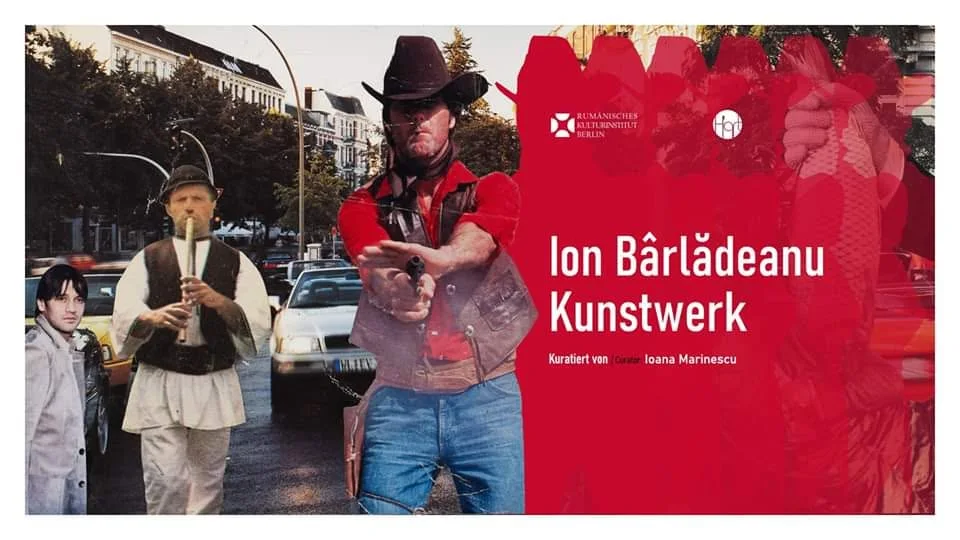
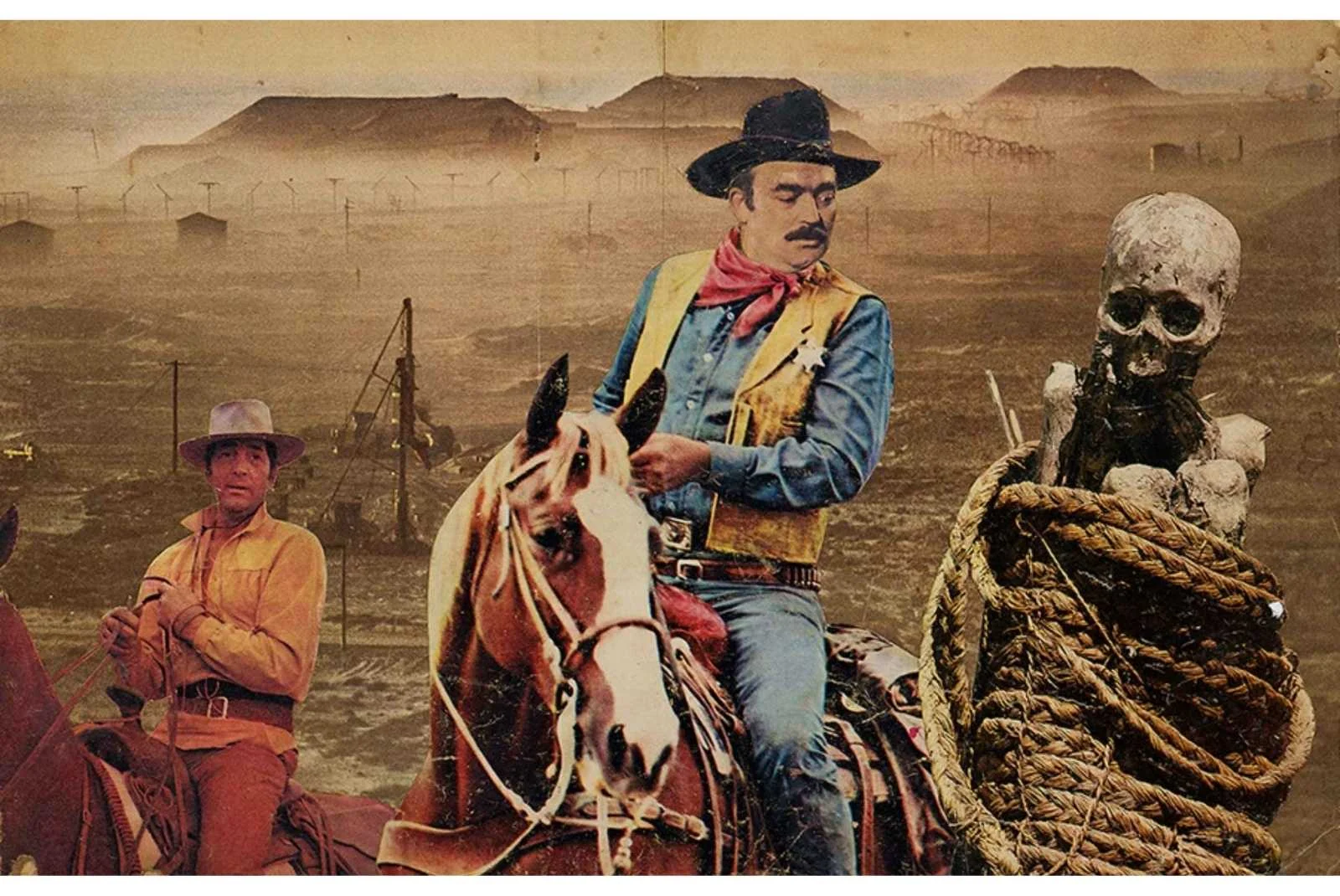
Ion Bîrlădeanu cuts into consumer culture and changes the cast. Politicians, film characters and anonymous figures enter scenes their original images could never have anticipated. Montage gives them a new logic and a sharp satirical force.
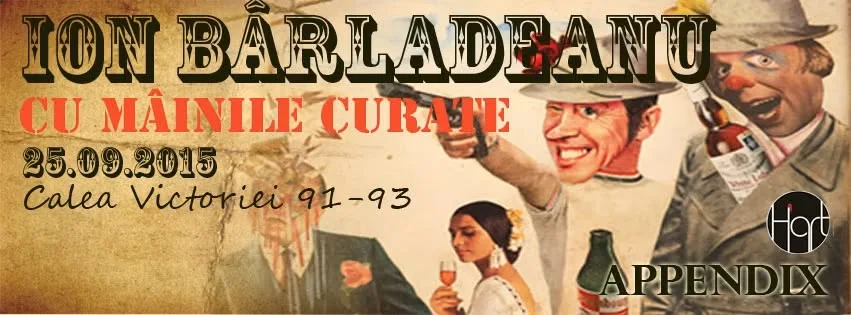
Profana Comedie opened at H’art Appendix in April 2017, at 91–93 Calea Victoriei. Its collages turn our attention back to the world that supplied the images: to power, desire and their everyday performance.