Collages from years when possibility was restricted.
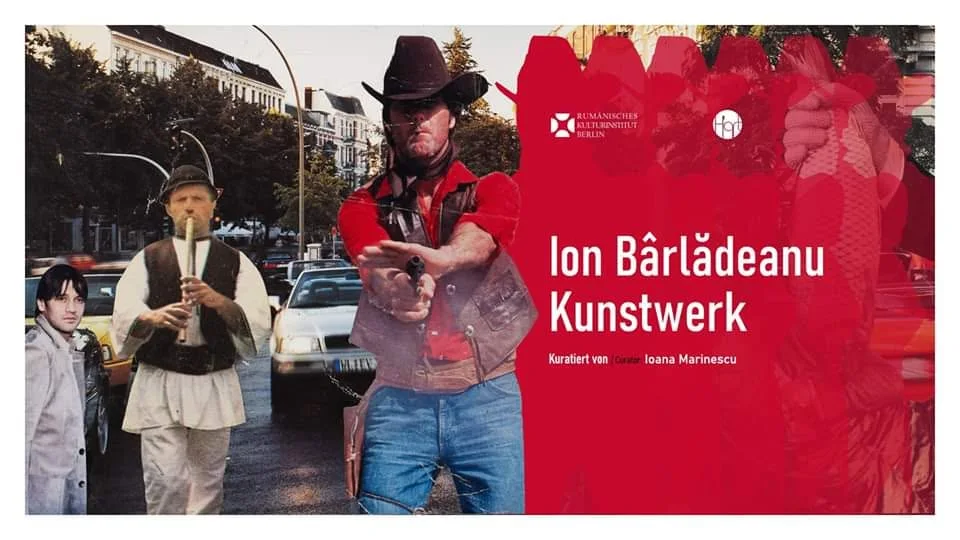
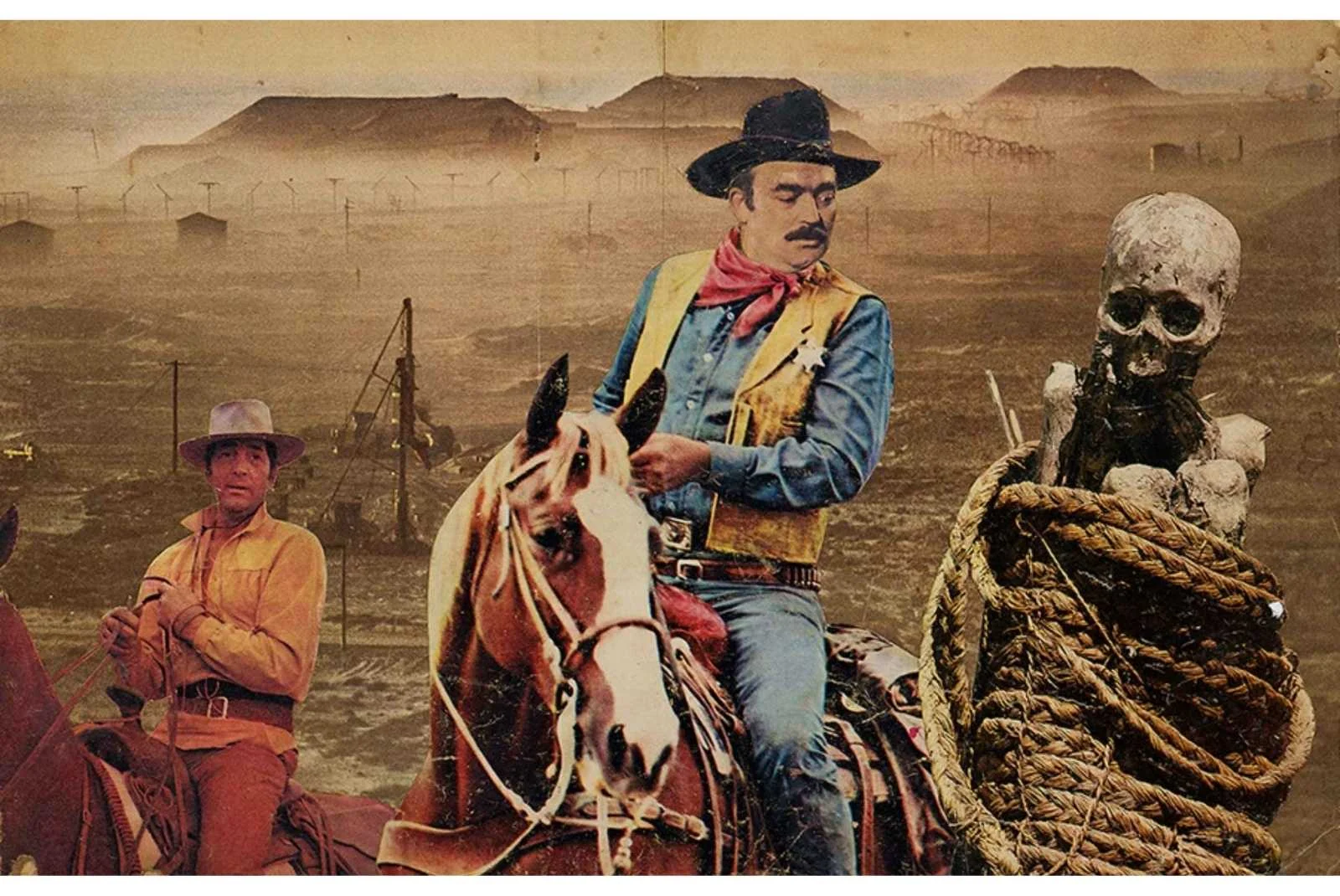
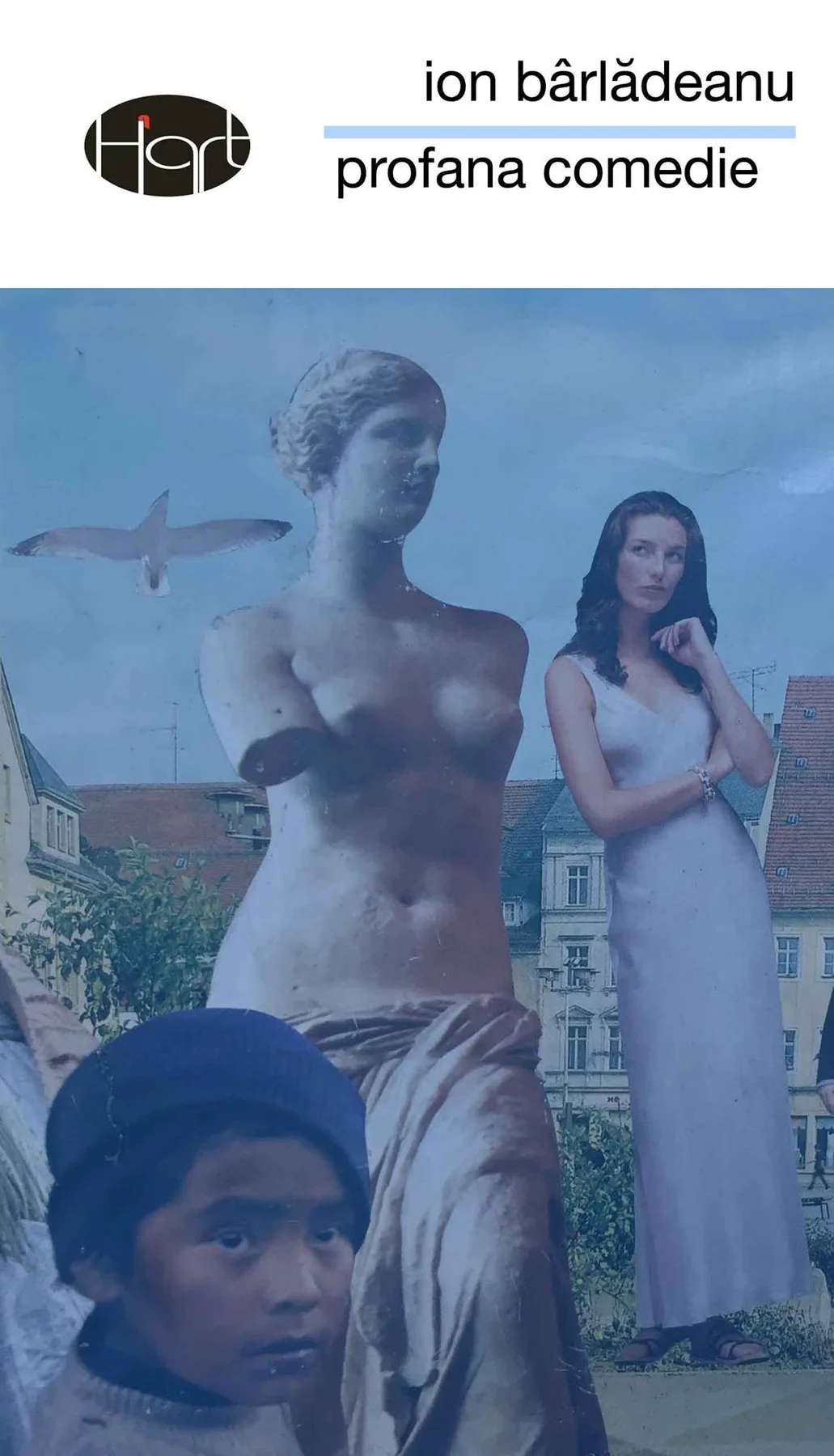
There is a fascinating myth of the man at the edge of the world who leads a psychopomp existence beyond conventions and bourgeois comforts. Every society needs these people, who live both inside and outside it. They are the creators of critical discourse, the ironists, the cynics, the libertines or the madmen who lay the philosophical foundations of Western civilisation. Western philosophy abounds in examples: Socrates, Antisthenes, Diogenes the Cynic, Montaigne, Rousseau or Nietzsche are moments of this kind. They are the free spirits who make corrosive discourse possible in an open society. This acid discourse produces very important social self-regulation. The history of free European thought is more or less an episode in this gallery of people who either refuse to play by the canonical rules of a given moment and lead a contrarian existence, or question the status quo. Ion Bîrlădeanu has had an existence of this kind. He was born in 1946 and for more than thirty years has avoided becoming an “honourable citizen”. Under communism he went through every possible job. At twenty he left his native village (Zăpodeni, Vaslui County) and started working in the reed beds in Tulcea or as a docker in Constanța. In Bucharest he was in turn a gravedigger, a sawmill cutter, a watchman and an unskilled labourer at the House of the People. After 1989 he lived on marginal resources, working as a freelancer sorting rubbish in the courtyard of an apartment block on Moșilor Street and doing small services for the residents. He did not start a family and never took a job again. Throughout all these years, however, Ion Bîrlădeanu kept up an artistic project that he showed “only to a few clever people”. He did what any artist should do, literally or metaphorically: he travelled the risky road into that no man’s land where every society sheds its masks. The rubbish dump is one of these places. Almost all the cultural information of a culture ends up thrown away. It is a good place for an autodidact and for any seeker. Through his way of life, Ion Bîrlădeanu selected images from magazines for more than thirty years and made a series of unique collages. He composes them with the intention of making films. Starting from a native talent as a draughtsman, and wishing to direct or act in films, he creates an imaginary proto-pop world twenty years ahead of its Romanian reception, since the pop idiom is a post-1989 reality in Romania, a direct consequence of consumer society. With minimal resources he creates a cinematic still that tells a complete story every time. All his collages are a very particular encounter between pop art and a hybrid surrealist-Dada vein. And everything breathes the melancholy air of a communist gulag in which the world of film and of brands seemed the only possible topoi of freedom. The exhibition “Făt-Frumos cel urît” will focus on Ion Bîrlădeanu’s series of collages from the early 1980s, collages that build a surrealist-grotesque world in which everything is possible. They were made at a time when nothing was possible. In the almost cinematic succession of the works, the image of the vagabond recurs, animating the action and giving it tension. He is none other than nea Ion, “Făt-Frumos the Ugly”, a character who lived in a few years as much as other artists live in a lifetime. (Dan Popescu)
“Făt-Frumos cel urît” focused on Ion Bîrlădeanu’s collages from the early 1980s. Cut-out images build cinematic stories within a surreal and grotesque world.
Dan Popescu’s text traces the emergence of this universe assembled from magazines. The exhibition opened on 13 February 2013 at H’art’s C.A. Rosetti 25 space.